Mountain Biking Destinations in America: Scenery and Travel Filming
Mountain-biking destinations often provide memorable landscapes for travel photography and documentary filmmaking: wooded paths, lakes, changing weather and mountain scenery. This GoGimbals guide highlights U.S. regions represented in our older destination archive while explaining how to research park access and plan respectful outdoor footage. It is not a real-time trail-condition report or an invitation to attempt difficult terrain. Filming should always be separate from situations that require full attention, with location rules and environmental protection taking priority.
What makes a location interesting on camera?
A good travel film communicates a sense of place. Forest scenery can create soft patterns of light; a lake provides a broad establishing view; mountain landscapes add scale and depth. The best shot does not have to be difficult or dramatic. A stationary, supervised view of the environment often tells the story better than footage captured while someone is occupied with another activity.
Rather than treating every scenic location as an interchangeable backdrop, consider the history and character of the place. A destination film can explain why a public landscape is valued, what its ecology looks like and what visitors should know about protecting it. A brief sequence of establishing views, small details and clear narration is often enough to make a memorable short video.
North Carolina: Tsali and the Fontana Lake landscape
The Tsali Recreation Area in Nantahala National Forest is a known public-land destination around Fontana Lake. The Forest Service describes separate designated uses on an alternating schedule for the area’s shared trails. That management distinction matters for any visitor researching the location, and requirements or access conditions should be checked directly with the land manager rather than inferred from old articles. GoGimbals includes Tsali as an example of wooded lake-and-mountain scenery, not as a recommended route or an assessment of difficulty.
Official information is available through the U.S. Forest Service and Recreation.gov. These agencies are more appropriate than archived blog text for current rules, closures and visitor requirements.

Nevada: Lake Tahoe and the Flume Trail landscape
Nevada’s Lake Tahoe backcountry offers forest, mountain and lake views that make a strong visual subject. The state park identifies the Flume and nearby paths among its managed recreation areas. Importantly, the Spooner Lake/Marlette area has experienced infrastructure work and trail closures during 2026, so older travel stories or photos must not be used to imply that a particular area is currently accessible. Nevada State Parks’ Spooner Lake page is the appropriate source for the latest advisories.
A visual travel article can discuss Tahoe’s scenery without recommending a specific itinerary, challenging route or access to a closed area. Protect the landscape, respect other visitors and use lawful, supervised camera locations. Dramatic scenery is not a reason to disregard official restrictions.

California: varied landscapes and outdoor travel stories
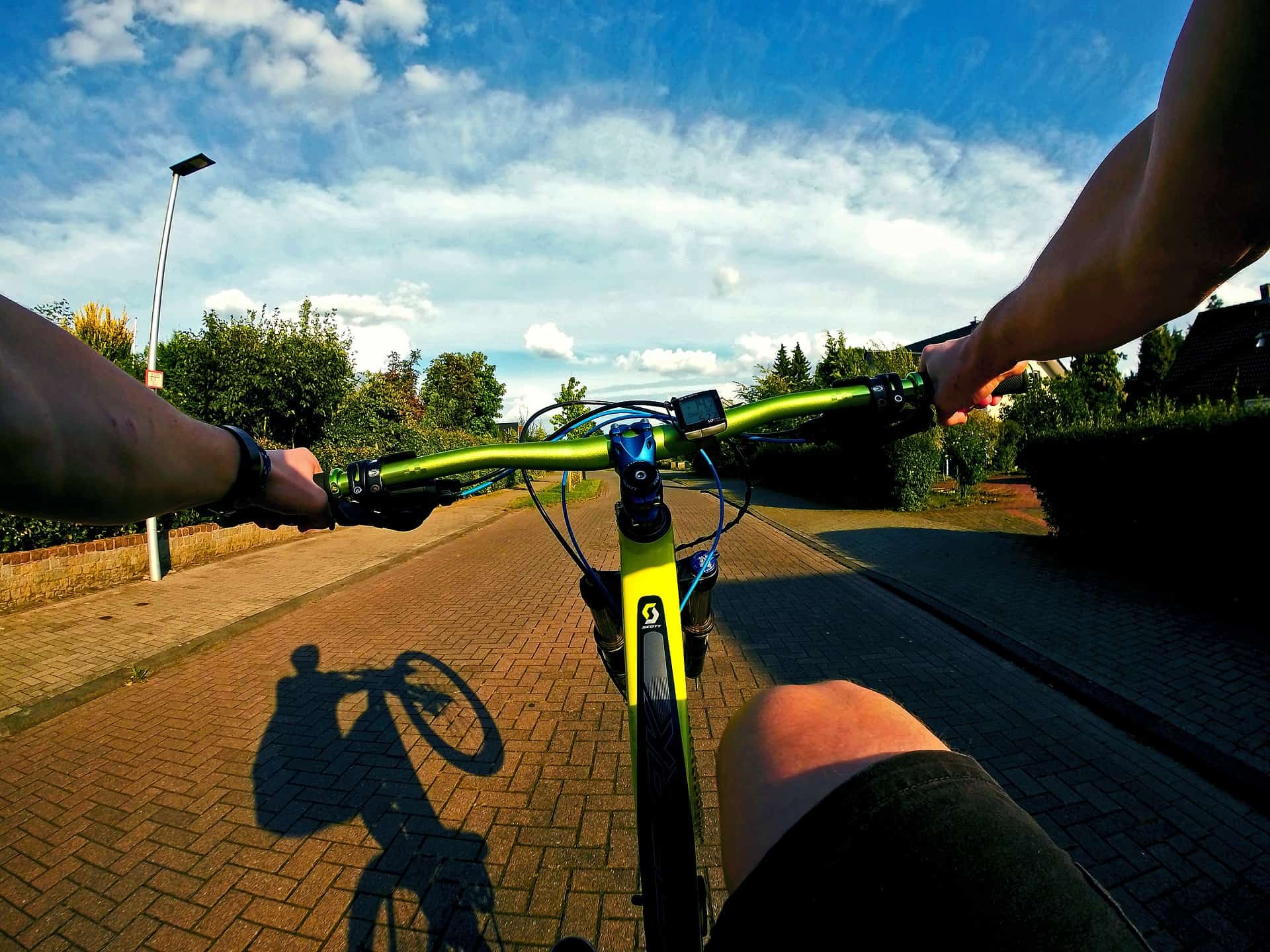
California’s mountain scenery ranges from dry foothills to forested high country and coastal landscapes. Those differences can make a travel film visually distinctive, but the appropriate filming approach depends on the specific land manager, season and public access restrictions. Older GoGimbals destination photographs remain a record of the places that inspired the original article; they are not proof of current conditions or permitted activities.
For creators, a useful theme might be the visual contrast between open terrain and forest, the ways light changes throughout a day, or the role of a park in the surrounding community. Those subjects can be documented from ordinary approved visitor areas without turning the project into a risky activity or a test of physical ability.

Pacific Northwest: forest and mountain atmosphere
The Pacific Northwest is associated with temperate forests, mountain weather and complex changes in light. For a general documentary project, those landscapes offer interesting contrasts between wide establishing views and small environmental details. Weather, seasonal access and protected-land rules vary widely, making an official park or forest notice more useful than a general blog list. Choose filming locations that do not disturb wildlife or other visitors.
Why GoGimbals covers outdoor destinations
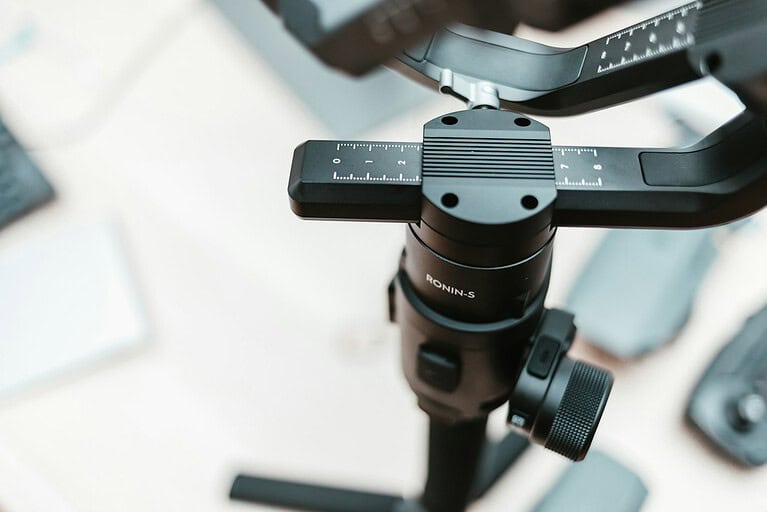
An outdoor landscape is a practical place to understand what action cameras and gimbals are meant to capture. However, equipment is a tool, not the subject of the whole story. Static views, good audio and careful editing can be more important than motorized movements. See handheld stabilization benefits, our gimbal fundamentals guide and the beginner action-camera guide for technical background.

Filming considerations for outdoor travel
- Location rules: identify the relevant park, forest or land manager and follow the current access and filming requirements.
- Wildlife and other visitors: prioritize respectful observation and avoid disruptive filming.
- Environmental conditions: changing weather and light influence video quality and access, so avoid making unconditional claims.
- Story: choose a clear subject and a few complementary views rather than trying to capture every possible angle.
- Equipment: verify battery capacity, storage and the camera’s documented weather limits without assuming that an attached gimbal shares them.
- Safety: keep recording separate from activity that requires undivided attention; a supervised stationary setup is often the best choice.
How to use historical travel articles responsibly
A destination mentioned in a past article may be closed, restricted, under maintenance or subject to different visitor rules today. A photograph can show how a place appeared at one moment without providing a current access guarantee. Always seek the latest official notice before relying on older visitor descriptions. Because this article is an editorial overview, it does not supply turn-by-turn routes, claim to have checked every trail today or grade the difficulty of an activity.
Frequently asked questions
Is a gimbal required for outdoor scenery videos?
No. A stable stationary viewpoint and good composition can often document a landscape effectively. A gimbal is useful only when deliberate motorized orientation helps the story.
Are the original destination photos up to date?
No. They are archival images and should not be interpreted as a representation of current conditions or permissions.
How should a reader verify visitor rules?
Use the official park or forest agency for current closures, access conditions and filming regulations; third-party travel articles are background context.
Editorial sources
Official context includes the U.S. Forest Service for national forest management, Recreation.gov for relevant public-land reservations and notices, and Nevada State Parks for Spooner Lake and Flume-area advisories. The GoGimbals photographs are historical illustrations. This is not a route guide, a current conditions guarantee or a claim of firsthand trail inspection.
For travel-video storytelling that involves a vehicle, our stationary car-filming guide explains how composition, sound and supervised shooting can work without distracting a driver.