Motorcycle Helmet Cameras: Safety and Filming Considerations
A motorcycle helmet is protective equipment, not a camera platform to modify without approval. Historic GoGimbals articles illustrated several accessory styles and described a “best place” to mount a camera, but the safe and accurate answer depends on the specific helmet manufacturer’s instructions, equipment standards and applicable rules. This updated guide explains those considerations without recommending placement methods or modifications that could compromise safety.
Why manufacturer approval matters
A helmet’s protection depends on its construction and fit. Extra hardware may affect its surface, weight distribution, protrusion and operation. A generic action-camera accessory labelled “universal” is not evidence that a particular certified helmet can safely accept it. Follow the specific helmet maker’s documentation and local rules. Do not drill, cut or otherwise alter protective equipment to create an accessory attachment.
Helmet safety and camera compatibility are two different checks
The camera manufacturer may publish information about compatible camera housings, batteries and accessory interfaces. Those details describe the camera system but do not certify compatibility with protective headgear. Separately, helmet instructions determine whether any additions are permitted. Without reliable approval for the combination, a camera accessory should not be treated as suitable simply because a seller shows it attached in a product image.

Filming should never compete with attention to the road
Driving and riding require attention to traffic, conditions and protective equipment. Camera controls, adjustments and framing concerns should not distract from safe operation. If a project requires repeated camera changes or complex shooting, consider a supervised stationary approach away from active traffic instead of trying to operate recording equipment during travel.
Visual quality does not depend on a helmet camera
A stable, well-composed stationary image can be more useful for explaining a vehicle, demonstrating a product or telling a travel story than a constantly changing point-of-view shot. Exposure, audio and lens selection influence the results independently of stabilization. A camera’s internal stabilization can improve some recorded motion, but it cannot fix unsafe equipment choices or poorly planned filming.
Archived accessory categories, not current recommendations
The original article compared several helmet-mounted accessory styles. Those images remain valuable as an illustration of the product category’s history, but they do not indicate current availability, safety approval or universal compatibility. Camera generations, housings and accessory part numbers change. Product sellers may also use older promotional images long after the equipment has been revised.

Questions to resolve before buying any accessory
- Is the exact camera and accessory combination documented by its manufacturer?
- Does the helmet manufacturer explicitly permit the intended equipment?
- Are there applicable local or activity-specific restrictions?
- Could additional equipment interfere with protection, comfort or ordinary safe use?
- Would a stationary or operator-held camera achieve the desired visual result without altering safety equipment?
Stabilization myths to avoid
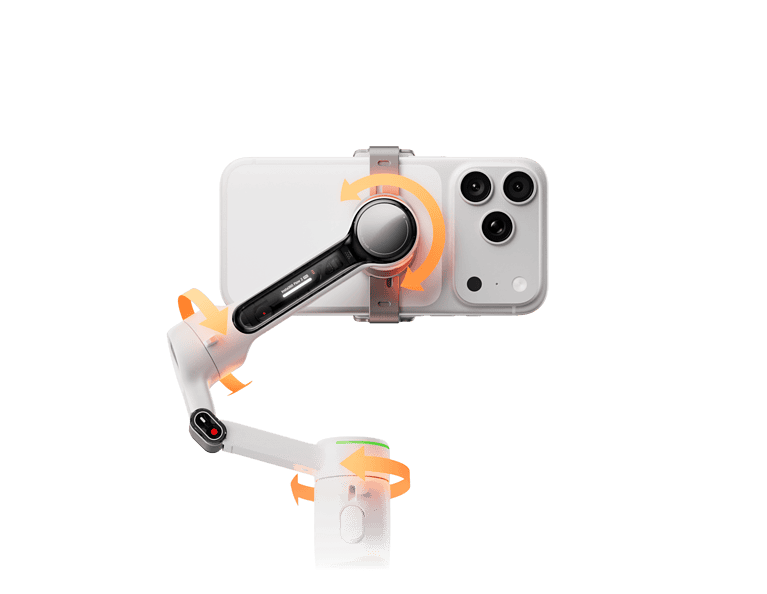
A motorized gimbal corrects some camera rotation, while electronic image stabilization adjusts the recorded image. Neither ensures perfect results, and neither solves the fundamental concerns about attaching gear to a protective helmet. For a plain-language technical explanation see how three-axis gimbals work and our action-camera gimbal buying guide.
Safer alternatives for a video project
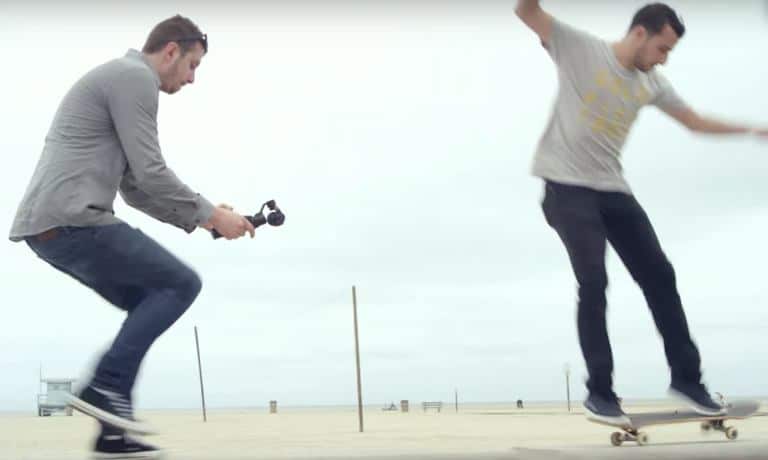
For ordinary product documentation or a vehicle-related presentation, stationary shots with an appropriate stable camera support are easier to supervise and frame deliberately. A separate camera operator can control composition when the setting allows it, without distracting the person engaged in another activity. The beginner filming guide explains the role of framing, sound and lighting, while the car-video composition article discusses filming goals without promoting hazardous setups.
Frequently asked questions
Is there one safest helmet camera position?
No universal position can be identified from a general camera-accessory article. Helmet-specific manufacturer guidance and applicable requirements take precedence.
Does waterproof camera equipment make a mount safe?
No. Weather resistance, camera attachment compatibility and helmet protection are separate matters.
Will a gimbal compensate for every vibration?
No. Camera orientation correction does not eliminate all translation or recording artifacts.
Editorial method
This guide replaces unsupported universal placement advice with safety and compatibility considerations. The archived images are not endorsements of equipment alteration. No current helmet approval, local legal determination or personal equipment test is claimed.
Related reading: For helmet camera safety and equipment approval, consult this related GoGimbals article. For passive chest-mounted camera perspectives, consult this related GoGimbals article.