Helmet Camera Filming: Safety, Compatibility and Video Quality
Helmet-mounted action cameras are discussed across many older gear guides, but product photos and generic accessory listings do not establish that a particular camera attachment is safe for a protective helmet. This updated overview emphasizes helmet integrity, manufacturer instructions, camera compatibility and realistic filming expectations. It does not recommend modifying protective equipment or endorse a specific mounting position for use during hazardous activity.
Protective equipment comes before a camera accessory
A helmet is a safety device whose fit and protective structure matter more than recording footage. Added objects may affect comfort, protrusion, weight or the way a helmet performs. Do not alter a helmet or rely on a generic aftermarket compatibility claim without relevant approval from the helmet manufacturer. Local requirements and equipment standards differ, so the correct guidance is the documentation for the exact helmet and activity, not an old website ranking.
A camera’s features are separate from helmet approval
Camera sellers may advertise compact size, action-camera stabilization and wide-angle views, but those camera capabilities do not imply approval to attach equipment to protective gear. A product that is compatible with the camera’s mounting interface is not necessarily compatible with the helmet. Avoid buying based only on a photograph of the device attached to someone else’s equipment.

What to verify in a historical accessory listing
- Exact camera model and generation, since accessory interfaces and housings can change.
- Original manufacturer of the accessory and whether its claimed application is documented.
- Helmet manufacturer rules concerning any additions or alterations.
- Applicable rules for the activity and location where the equipment would be used.
- Whether a supervised stationary camera could provide better footage with fewer distractions.
Filming quality: stabilization is only one factor
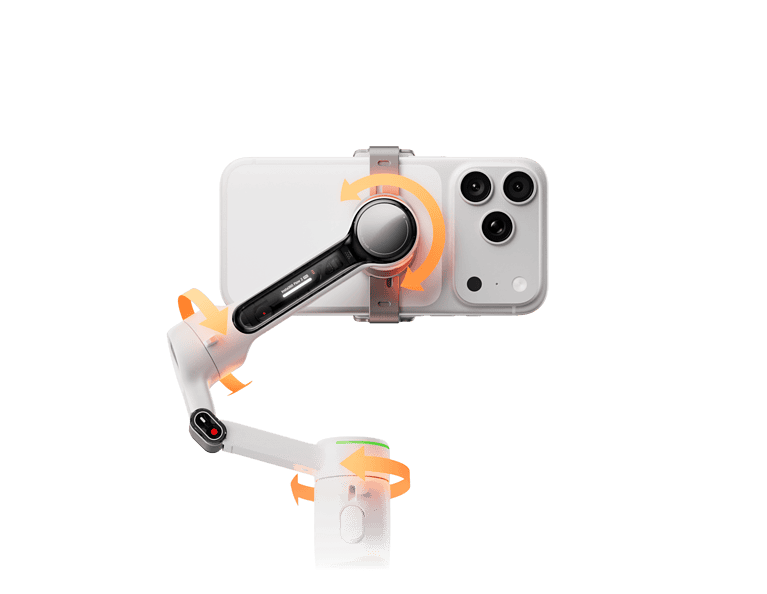
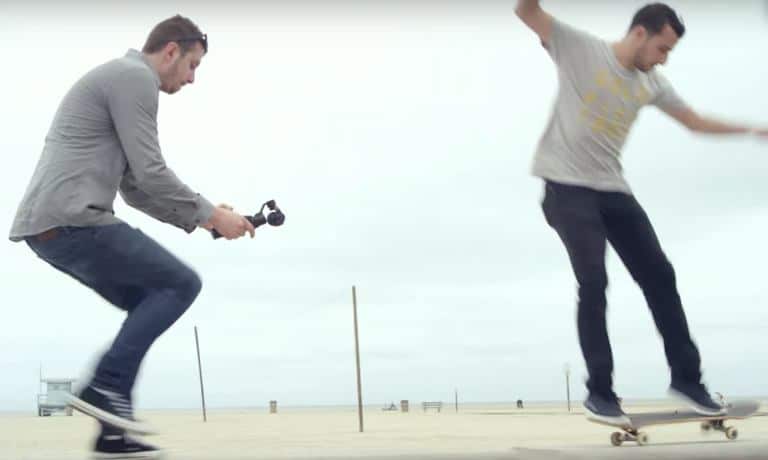
An action camera may use electronic stabilization to reduce some visible rotation or vibration. A powered gimbal controls physical camera orientation, but even a three-axis device cannot eliminate every movement through space. Image quality also depends on light, exposure, sound, lens choice and composition. An automatically stabilized image can still be ineffective if the subject is outside the frame or the audio is obscured.
For general camera stabilization principles, read our three-axis gimbal explanation and handheld stabilizer guide. Those concepts should not be interpreted as approval to attach motorized equipment to protective gear.
When stationary recording is the better option
A supervised camera on a stable surface often offers better composition than a camera whose direction changes with protective equipment. Stationary recording also makes lighting, sound and repeatable framing easier to manage. For a gear review or a simple demonstration, that can matter more than collecting dramatic point-of-view footage. Filming should never distract someone from an activity requiring their full attention.

How to interpret older camera-mount reviews
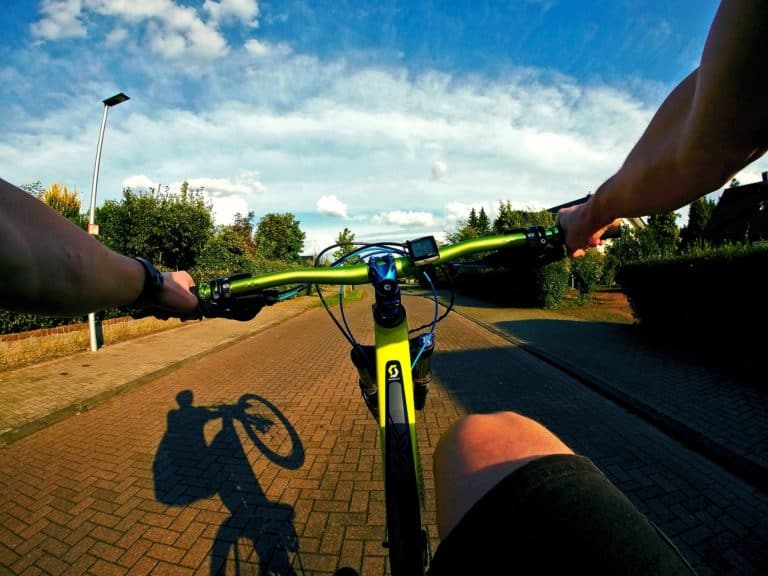
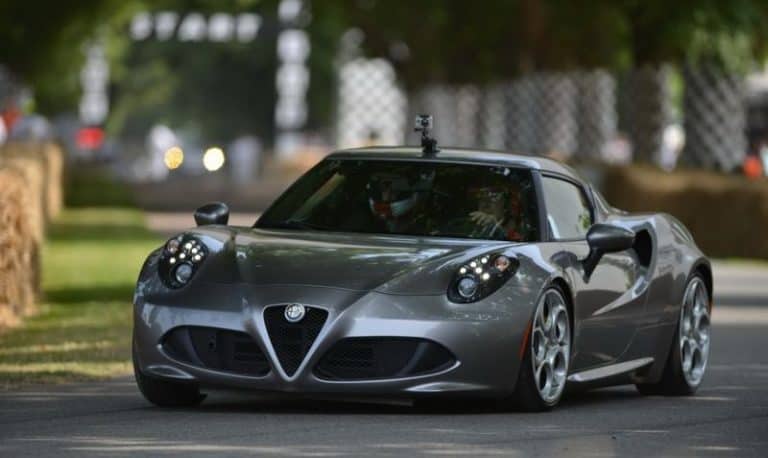
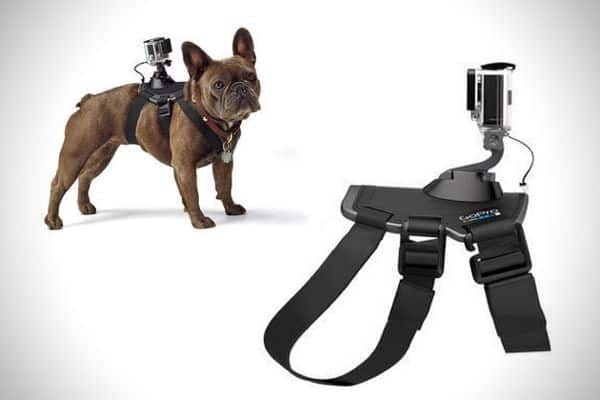
Older articles often grouped helmet accessories, chest harnesses and handheld gimbals together. These are different product categories, and they serve different filming tasks. Historical photographs may show equipment no longer sold or supported. Treat model names and prices as archival, and verify the current manufacturer’s guidance when shopping for camera equipment.
Common questions
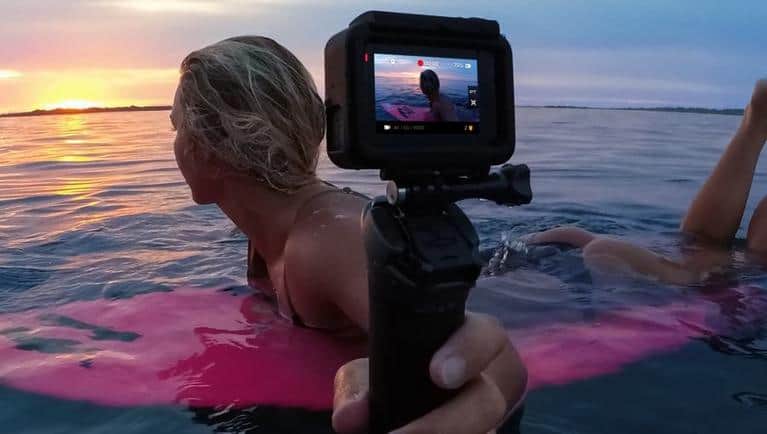
Does a GoPro accessory automatically fit every helmet?
No. Camera-side attachment compatibility and safety approval for a particular helmet are separate issues.
Will an action camera always produce stable footage?
No. Recorded motion, exposure, framing and sound still depend on the camera and shooting conditions.
Can a gimbal replace careful composition?
No. Motorized axes control orientation, while composition requires the right subject and viewpoint.
Related reading and editorial notes
For less specialized filming situations, see our beginner filming guide, chest-mount overview and action-camera gimbal comparison. This article is general safety and filming information, not a technical mounting procedure or proof of hands-on equipment testing.
Related reading: For motorcycle helmet camera safety, consult this related GoGimbals article. For older wearable gimbal technology, consult this related GoGimbals article. For pet harness comfort and framing, consult this related GoGimbals article.