Chest Mounts for Action Cameras
Affiliate disclosure: As an Amazon Associate I earn from qualifying purchases. Product links marked as paid may generate a commission at no extra cost to you.
A chest-mounted action camera produces a fixed viewpoint that moves with the wearer’s torso. That can offer a different perspective from a handheld or stationary shot, but it does not make a camera magically stable and it does not remove the need for composition, good sound or comfortable equipment. This updated guide explains the strengths and limitations of a conventional chest harness, what makes its camera compatibility important, and when a simpler filming approach is preferable.
Chest harness versus handheld filming
A passive chest harness is primarily a support: it holds a compatible action camera and follows the support’s movement. A handheld camera gives the operator more control over what appears in the frame. A motorized gimbal actively corrects camera orientation through motors, which is an entirely different kind of device. The right choice depends on whether a fixed first-person perspective serves the subject better than deliberate framing.
Camera-only electronic stabilization can reduce some visible movement in recorded footage, but the camera will still travel with the wearer. The resulting field of view and sound can be less predictable than a stationary scene. Consider whether the project needs a chest-level viewpoint at all before purchasing an additional accessory.
When a chest-level perspective is helpful
A fixed viewpoint can be useful for calmly documenting ordinary tasks or explaining what the wearer sees, provided the equipment is compatible and does not interfere with normal activity. For a controlled product demonstration, a separate tripod may be easier to use because framing is repeatable and the subject can remain visible. Avoid any filming setup that interferes with protective equipment, creates an obstacle or distracts from activities that require attention.

What to verify on an older GoPro chest harness
- Exact camera generation: manufacturer-approved mounting frames and attachment systems can vary by model.
- Accessory condition: used parts may be worn, incomplete or different from the originally supplied kit.
- Comfort: the accessory should not interfere with normal comfortable movement.
- Camera protection: the camera’s rating does not provide any certification for the harness itself.
- Recording workflow: check audio, framing and recording controls before planning a longer filming session.
Why a fixed camera viewpoint can be difficult
The camera points wherever the support points, which makes it easy for the subject to disappear from the frame. The body can block parts of the scene, while wide-angle camera modes may include unwanted background. Bright conditions can create harsh contrast, and microphone quality can suffer from environmental or handling noise. The accessory does not automatically solve any of these limitations.

Camera stabilization: what to expect
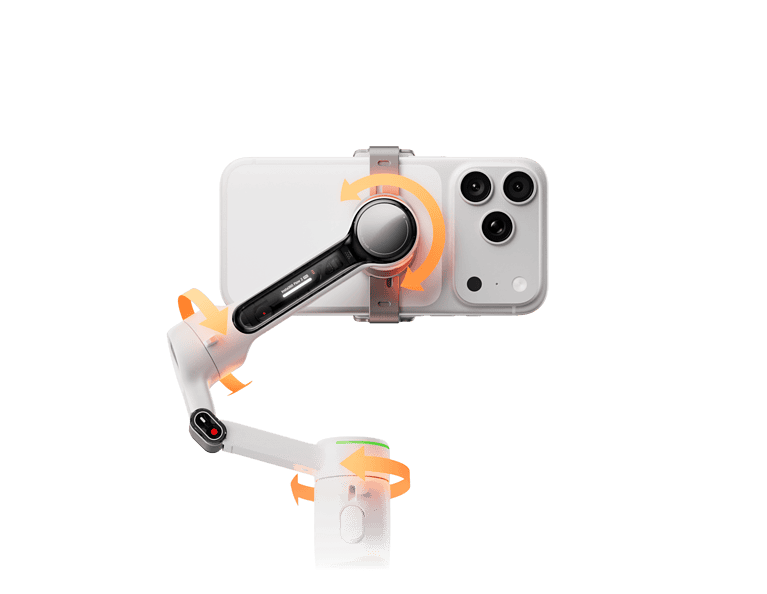
The camera’s internal stabilization may correct some movement by processing the image. Motorized gimbals can control camera orientation when the camera is mounted on a compatible powered support. A passive chest harness has no motors to adjust pan, tilt or roll. This is why the choice should be based on a realistic visual goal rather than the generic promise of “smoothest video.” See our three-axis gimbal explainer.
How a chest harness compares with other camera options
- Tripod: most predictable for a fixed interview or demonstration.
- Handheld camera: offers more deliberate composition and subject following.
- Chest harness: offers a moving, fixed body-level perspective without direct camera orientation control.
- Motorized gimbal: supports deliberate axis adjustments but adds weight, power and camera-fit constraints.
Common buyer questions
Does the harness stabilize video mechanically?
No. A conventional chest harness supports the camera without powered stabilization motors. Stabilization may still occur inside a supported camera.
Will an old GoPro harness fit any newer action camera?
Do not assume that. Verify the exact accessory and required manufacturer-approved camera interface.
Is it a good replacement for a tripod?
Not when repeatable static framing is the priority. A tripod usually makes a fixed composition easier to maintain.
Should I buy used?
Only if it is complete, compatible and in good condition, with a practical return option. Old prices and launch-era warranties should not be taken as current.
Related filming guides
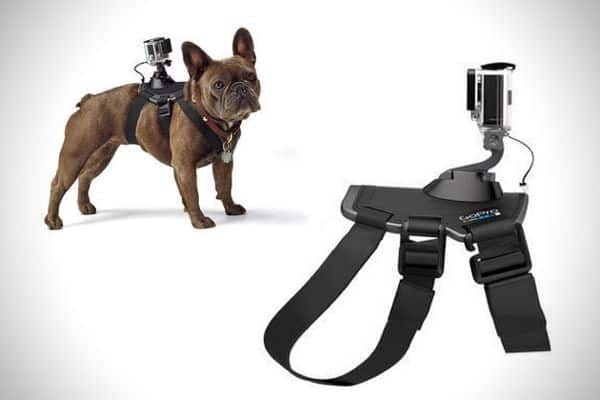
For the advantages of operator-held equipment read handheld stabilization benefits. For a different wearable accessory context see the GoPro Fetch pet harness review, where animal comfort is central. Our beginner filming guide covers light and sound considerations.
Editorial disclosure
The original article included a shortened affiliate link, archived GoPro chest-mount listing. Its destination, price and model availability are not verified, and GoGimbals may earn a commission from qualifying purchases. This revised guide does not claim new personal testing.
Related reading: For helmet camera safety and equipment approval, consult this related GoGimbals article. For older wearable gimbal technology, consult this related GoGimbals article.